Why every digital human needs a character lock.

Overview
Consistency is the product
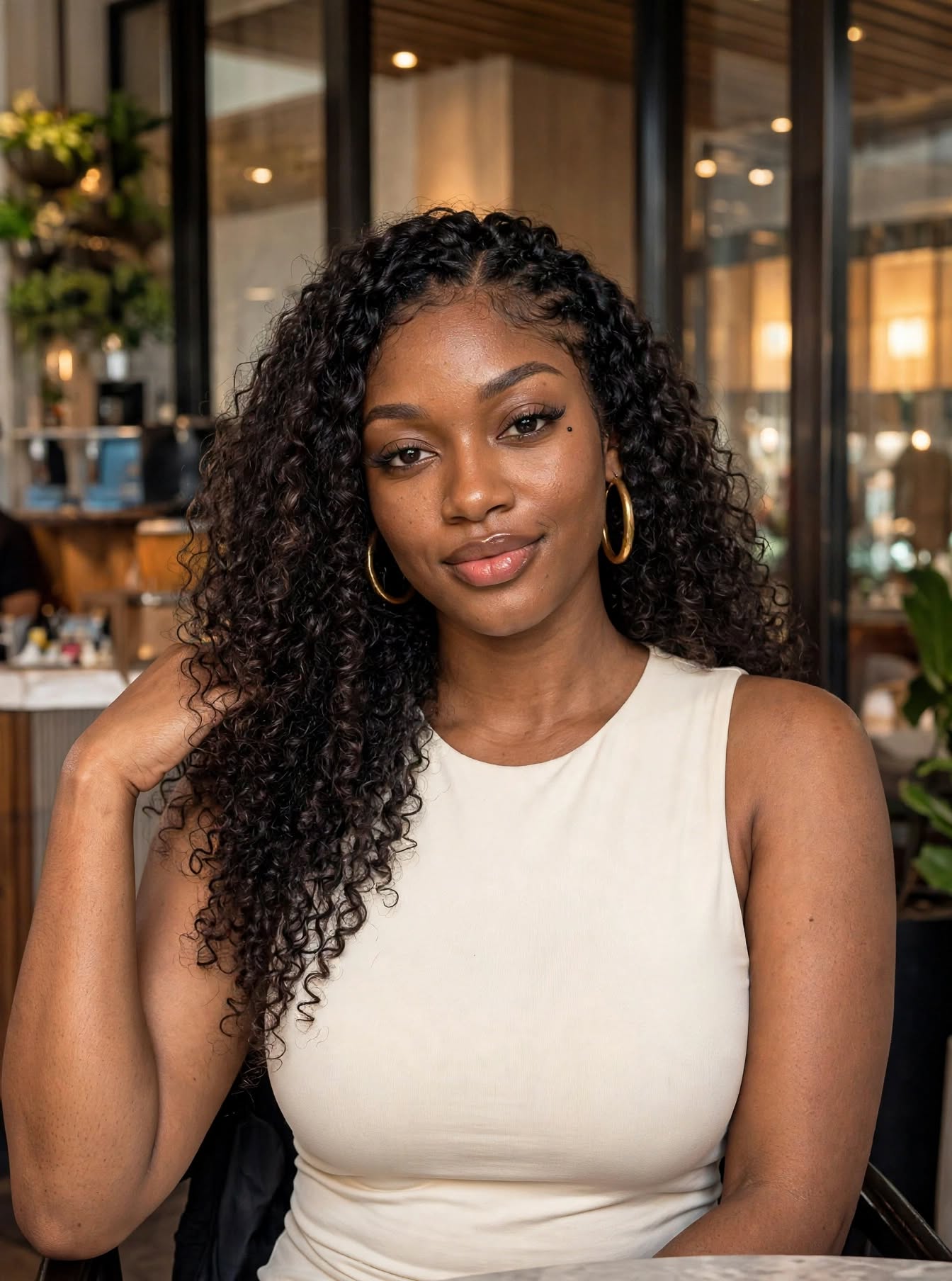
A digital human is only useful to a brand if the audience meets the same person every time. Left alone, image models drift between generations: the jaw softens, the skin tone shifts, a scar moves. A campaign of ten images quietly becomes ten different people.
A character lock is how we stop that. It is a written, permanent description of the person, reused word for word in every prompt.
Start with a profile, not a prompt
Before anything is generated, we study reference images and write an identity profile: face shape, skin and undertone, hair, brows, eyes, nose, lips, ears, age and proportions. The profile is written once and never paraphrased.
The lock in practice
One description, copied verbatim
In our ODÈ concept work, each of six digital-human subjects has an identity anchor, a fixed description pasted into every prompt for that person. Paraphrasing is where drift begins, so nothing is reworded.
Never beautify
One rule sits above the rest: do not change, beautify, reshape or replace the face. When a result drifts, we re-attach the reference and treat the face as a locked asset instead of rewording the prompt.

Final Thoughts
Why it matters
Identity lock is what makes AI UGC and digital-human spokespeople viable for brands: the same person across every ad, cut and format. It is the part of the process we are least willing to rush.
What we do not claim
Our digital-human work to date is concept work. We use it to prove the method, not to imply client results.
Related service: AI UGC & Digital Humans. All services · Concept work · Start a project.